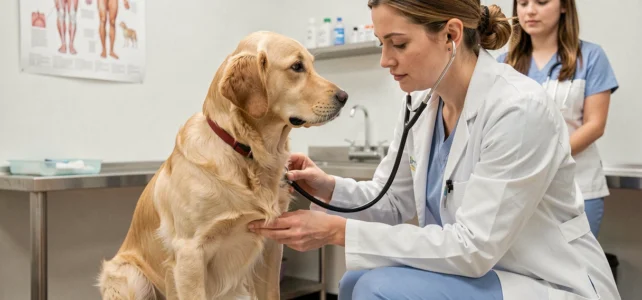
A veterinarian is a qualified animal health professional, registered with the National Order of Veterinarians, authorized to diagnose, prescribe, and perform surgery. Finding the right veterinarian for your pet relies on concrete criteria that go beyond mere geographical proximity: the type of species treated, the organization of care availability, available equipment, and recent regulatory frameworks change the situation.
Delegation of tasks to veterinary assistants: what changes in the organization of veterinary clinics
The Agricultural Orientation Law of 2025 introduced a now operational mechanism: the delegation of veterinary tasks to certified specialized veterinary assistants (ASV). Specifically, certain routine tasks (blood draws, catheter placements, simple post-operative follow-ups) can be performed by an ASV under the direct responsibility of the veterinarian.
For you, this means reduced waiting times for routine procedures and better availability of the practitioner for complex consultations. When visiting a clinic for the first time, asking how the team is structured provides a reliable indication of the efficiency of care.
Platforms like aniwal.fr allow you to identify veterinary facilities and compare their reception methods before making an appointment.
General veterinarian or NAC specialist: adapting the choice to the species
Not all veterinarians treat all species with the same level of expertise. A practitioner trained in canine and feline medicine may not have the skills to treat a parrot, a turtle, or a snake. Clinics dedicated to new pets are multiplying, as evidenced by the opening of facilities focused almost exclusively on NAC, particularly near Nantes according to a report by Ouest-France published in August 2026.
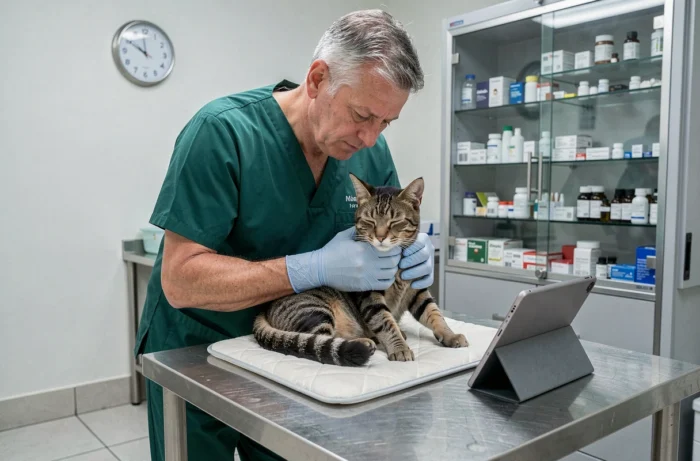
The AFVAC (French Association of Veterinarians for Companion Animals) offers specific training on NAC behavior and care, regularly updated. Checking if your veterinarian participates in this type of continuing education is a concrete indicator of competence regarding less common species.
- For a dog or cat, a well-equipped general practice is suitable in most cases, provided it has sufficient technical facilities (imaging, analysis laboratory).
- For a reptile, bird, or rodent, look for a practitioner labeled as “NAC veterinarian” or holding a supplementary diploma in non-conventional species medicine.
- For an elderly animal or one with a chronic condition, the veterinarian’s ability to coordinate long-term follow-up (regular blood tests, therapeutic adjustments) matters more than distance.
Care availability and veterinary emergencies: a requirement to verify
Care availability is a professional obligation for any veterinarian practicing in France, explicitly reminded by Service-public.fr. In practice, this obligation manifests in very different ways depending on the facilities.
Some practices provide their own on-call service outside of regular hours. Others participate in a shared on-call rotation among several clinics in the same area. Still, others redirect to a dedicated emergency center, open at night and on weekends.
Before committing to a veterinarian, ask the question directly: what happens if your animal needs care on a Sunday morning or at three in the morning? A practice that cannot clearly answer this question poses a follow-up issue.
Veterinary teleconsultation: a useful filter before traveling
Since 2026, veterinary teleconsultation has gained visibility. A report from France 3 Régions published in August 2026 cites a practitioner estimating that in the vast majority of cases, it is not necessary to go to the clinic immediately. Remote consultation allows the veterinarian to assess the severity of a symptom, reassure the owner, or prioritize a physical examination.

Teleconsultation does not replace a clinical examination. It serves as a first filter that avoids unnecessary trips and eases the burden on appointment slots at the clinic. When choosing your veterinarian, checking if they offer this service adds a valuable layer of responsiveness, especially in rural areas where travel can be long.
Price transparency and trust relationship with the veterinarian
Veterinary fees are free in France. A routine consultation can vary significantly from one clinic to another, and surgical or imaging procedures even more so. A veterinarian who is transparent about their pricing structure and provides a quote before any significant intervention lays the groundwork for a lasting relationship.
Your pet’s veterinary care is best entrusted to a single practitioner over time. The medical record is built consultation after consultation. Frequently changing veterinarians fragments the health history and complicates the detection of evolving pathologies.
Also, observe the welcome given to your animal during the first visit: calm handling, time allowed for the animal to acclimate to the environment, explanations provided for each action. These details reflect a respectful clinical approach that facilitates future consultations.
The choice of a veterinarian is based on a set of verifiable criteria: suitability for the species, organization of the care team, access to emergencies, availability of teleconsultation, and pricing clarity. The first visit is precisely to test these parameters before committing to regular follow-up.